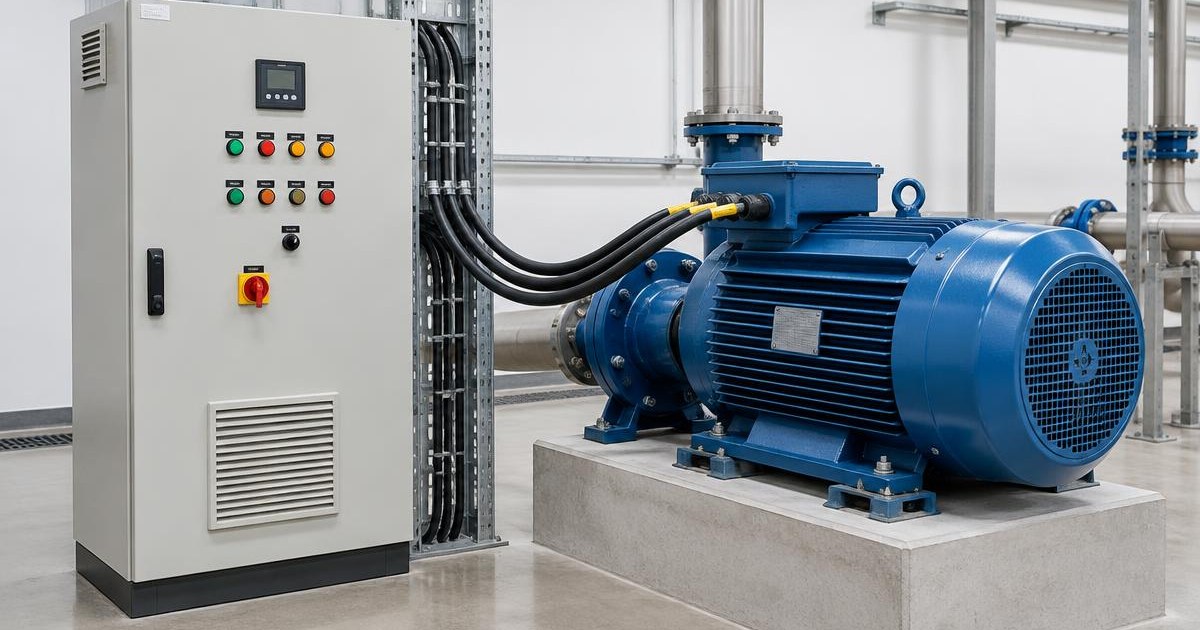
Pump Motor Power Supplies: scope and site requirements
Pump Motor Power Supplies in London concerns the motor, starter and driven equipment. The starting point is the specific requirement at your premises, whether that is a new installation, a change to an existing system or an issue affecting operation. You may also see this scope described as pump & motor supplies; the equipment and agreed boundaries still determine the work required. A useful proposal explains what is included, what needs further investigation and which interfaces belong to another specialist. That distinction helps avoid an apparently simple task becoming an unplanned interruption to the wider building.
Technical considerations for pump motor power supplies
The assessment of the motor, starter and driven equipment should reflect its actual configuration and operating environment. The following considerations help define what needs to be reviewed and which evidence is useful before decisions are made.
Motor circuits and switching
Motor problems can originate in the incoming supply, protective device, switching components, motor windings or mechanical load. Comparing all supply phases and the operating current helps distinguish these paths. A contactor that does not pull in may have a missing control signal rather than damaged main contacts. Chattering can involve control-voltage problems or an unsuitable coil arrangement. The sequence of operation matters, especially where a starter depends on timers, permissive contacts or an external building-management signal.
Compatibility, protection and operating conditions
Motor circuit assessment considers starting demand as well as normal running load. Protective settings and switching components should suit the motor and the circuit design; repeatedly changing an overload setting is not a substitute for finding the cause of a trip. Mechanical binding, an obstructed pump or a stalled fan can create an electrical symptom. Safe isolation must account for automatic restart signals and stored or alternative energy. Electrical and mechanical responsibilities should be coordinated before a motor or starter is disconnected.
Information that supports a sound decision
Record motor nameplate information, starter type, overload settings and any observed differences between phases. The operating state at failure is particularly useful: a trip during starting points to a different investigation from overheating after sustained operation. Available control drawings and a description of the driven process help define functional checks. Results should distinguish a confirmed electrical defect from a suspected mechanical cause, with any untested conditions and follow-up requirements clearly stated.
From an agreed scope to installation and handover
Pump Motor Power Supplies needs an agreed design and installation boundary before equipment is ordered or work is scheduled. The proposed load, available supply, existing protection and physical route help establish whether the intended arrangement is suitable. Reusing an existing circuit may require verification rather than an assumption based on appearance. Where the project connects to another system, agree who provides equipment data and who is responsible for final commissioning. This is especially important in occupied commercial buildings where even a local alteration can affect shared services.
The installation sequence should allow for preparation, safe isolation, physical work and the appropriate verification before return to use. Access to risers, ceilings, plant rooms or landlord-controlled areas may need separate permission. Other trades should understand the proposed wiring routes and any penetrations or supports affecting their work. A written scope can distinguish the electrical installation from associated builders’ work, specialist configuration and external supply changes. Completion should be judged against that agreed scope and supporting records, not simply by whether connected equipment appears to run.
Access, isolation and business continuity
Planning pump motor power supplies involves the people using the building as well as the equipment itself. Provide the site postcode, building use, normal operating hours and the person who can authorise access. Identify landlord-controlled areas, shared distribution points and any existing permit requirements. If the premises remain occupied, agree how work areas will be separated and how affected users will be informed. Deliveries, parking restrictions and movement of materials can influence the programme, but these arrangements should be confirmed for your actual location rather than assumed from a London address.
Isolation must be assessed against the complete supply arrangement. Generators, uninterruptible power supplies, remote controls and automatic restart functions can introduce sources or commands that are not obvious from a local switch. Essential loads and equipment needing a controlled shutdown should be identified by the site team. A planned interruption should include the method of returning systems to service and the relevant functional checks. Do not assume that an out-of-hours slot or uninterrupted operation is available until the scope, access and operating constraints have been reviewed.
Records, limitations and the next step
For pump motor power supplies, a useful handover explains what was done and what the evidence establishes. Circuit identification, component references, drawings and relevant results should be linked to the agreed task. The proposed record depends on the work: installation verification, periodic inspection, diagnostic findings and maintenance observations serve different purposes. Ask which documentation is included before authorising work. Any inaccessible area, incomplete test or dependency on another contractor should remain explicit, so that a completed local task is not mistaken for verification of every system in the building.
To request a booking, include equipment identification, the site location and a concise description of the requirement. Photographs can help where they can be taken without opening equipment or approaching a hazard. Existing schedules, inspection reports and manufacturer data are useful supporting material. The request is a starting point for agreeing scope and availability, not a confirmed appointment or fixed quotation. A clear account of what you need allows the next discussion to focus on practical access, evidence, responsibilities and the proposed outcome.