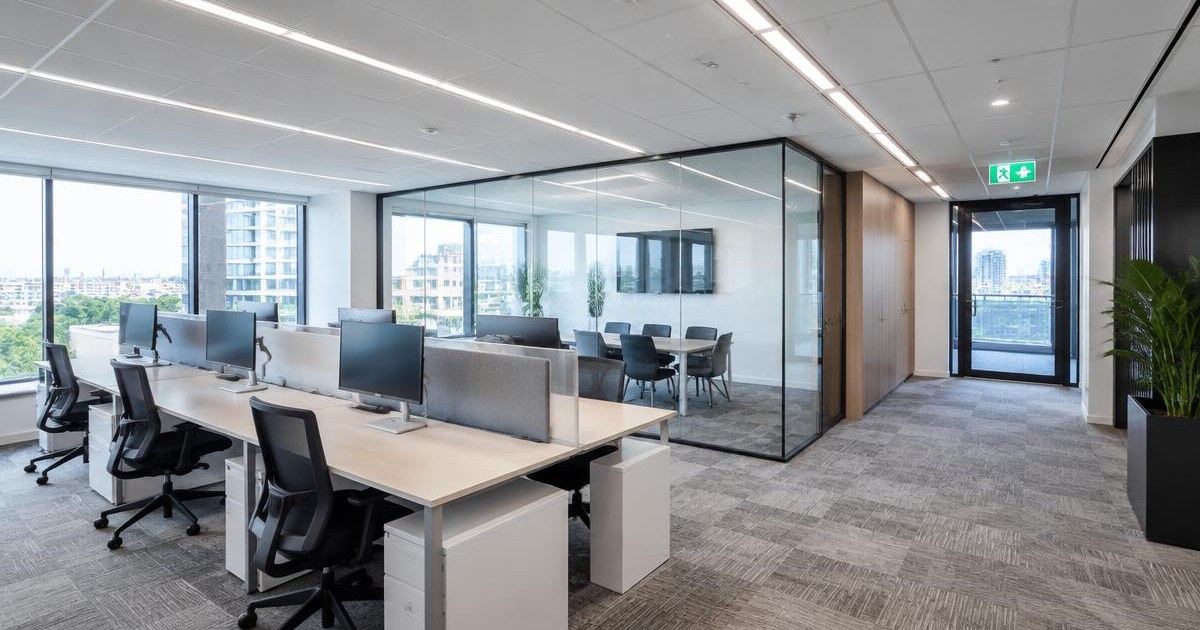
London commercial electrician services for complex buildings
A commercial electrical project is not simply a list of components. Supply capacity, protection, cable routes, control interfaces and access arrangements all influence what can be installed or repaired safely. For facilities managers, landlords and business operators, understanding that scope helps connect the reported problem or proposed change to the right specialist service.
Commercial electrical installations and fit-outs
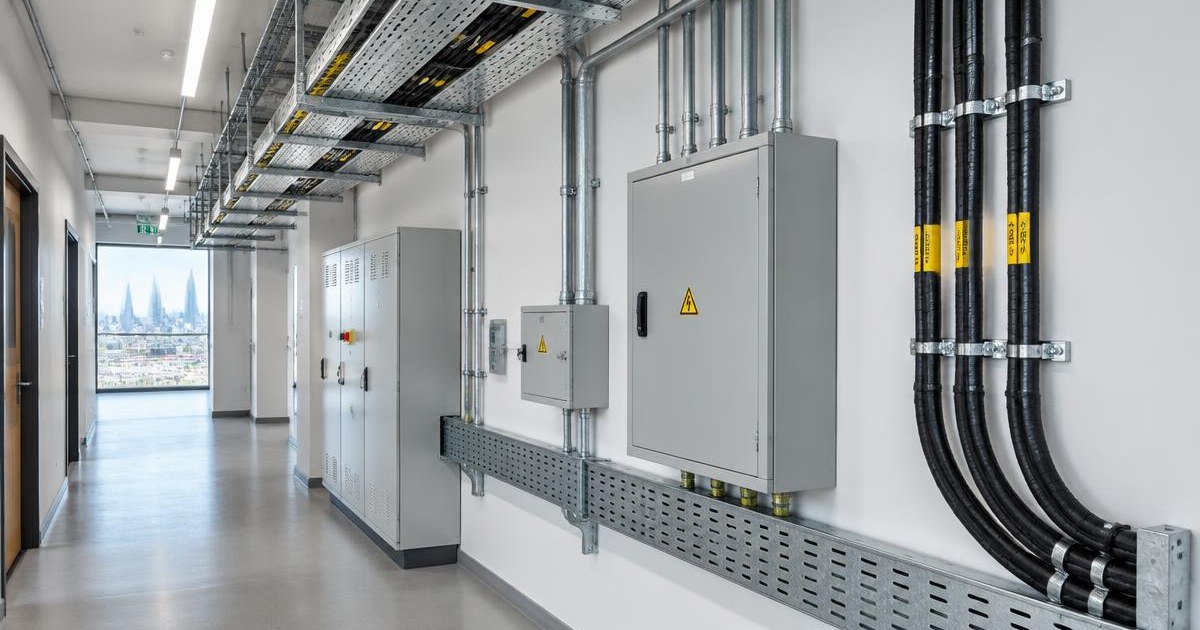
New equipment and changes to a building’s use can introduce additional electrical demand. Before adding a circuit, the assessment should consider the proposed load, available capacity, protective devices and installation environment. Cable containment, isolation points and coordination with other building works also form part of the scope. Our commercial electrical installations directory includes three-phase systems, commercial wiring and supplies for building-services equipment.
Electrical fault finding and equipment diagnostics
A tripping breaker or stopped motor is a symptom, not a diagnosis. The cause may lie in the supply, cable, protective device, control circuit or connected load. Recording the time of a failure, affected equipment and any trip indication helps focus an investigation. Commercial electrical fault finding follows the problem through the relevant system before corrective work is specified, rather than assuming a replacement part will resolve it.
Distribution, switchgear and control systems
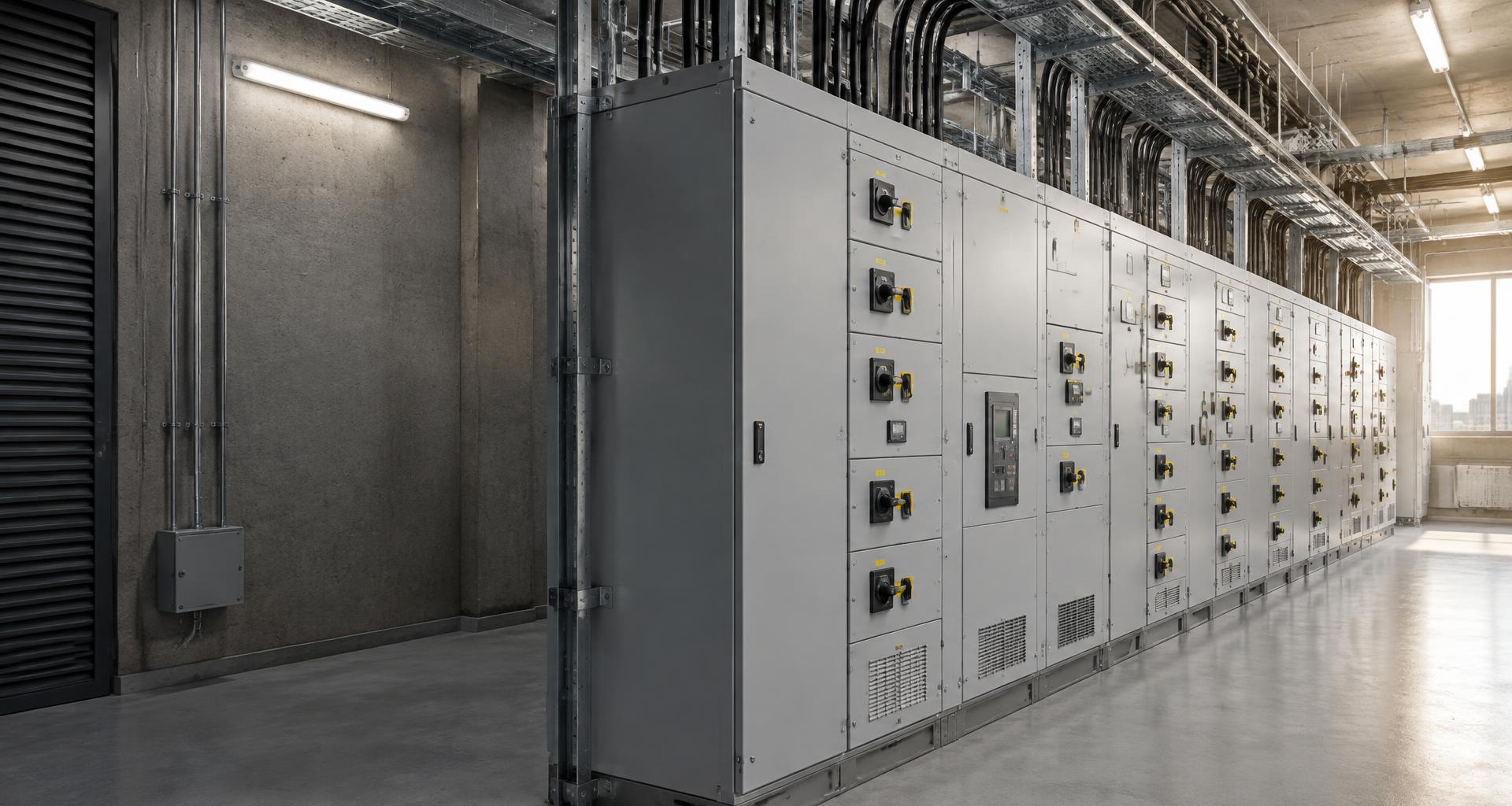
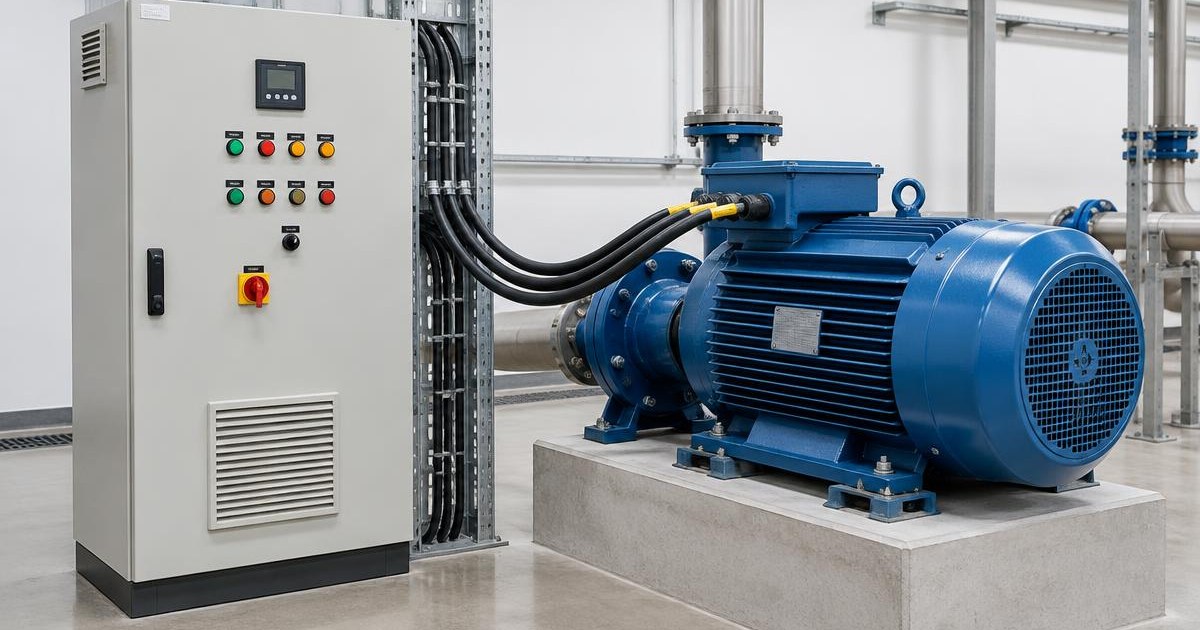
Switchboards and distribution boards connect the incoming supply to circuits throughout a premises. Alterations need an understanding of ratings, loading, protection coordination and shutdown arrangements. Explore electrical distribution and switchgear for those systems. Where the issue concerns starting, stopping or sequencing equipment, control panels and motor controls provide a separate technical starting point, including relays, contactors, interlocks and control supplies.
Testing and maintenance for commercial electrical installations
Inspection, testing and maintenance serve different purposes. Testing establishes findings within an agreed scope; maintenance tracks condition and addresses tasks appropriate to the asset and environment. Neither should be treated as a blanket assurance that every part of a building has been verified. Existing records, circuit identification and clear limitations make the resulting information more useful for planning further work.
Inspection, measured results and remedial work
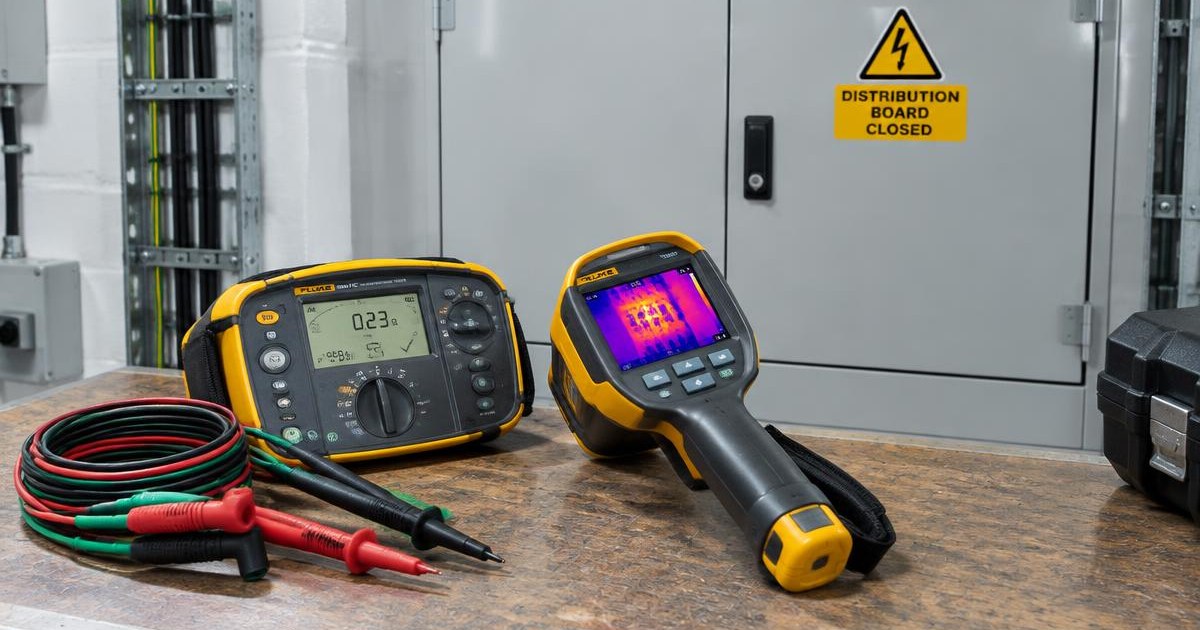
The commercial electrical testing catalogue includes EICR, fixed wire testing, thermography and remedial work. Access, isolation requirements and inspection limitations should be agreed before testing begins. A thermal survey can inform an assessment, but does not replace all electrical tests. Findings should distinguish measured results, observed defects and anything that could not be accessed, with remedial priorities tied to the actual observations.
Planned maintenance and reactive repairs
Commercial electrical maintenance starts with the assets that matter to your operation. Previous faults, environmental conditions, manufacturer guidance and the consequences of downtime help shape the tasks. A maintenance scope may include distribution equipment, terminations, protective devices and control systems, with shutdowns coordinated around site needs. One fixed maintenance interval should not be assumed suitable for every electrical asset.
Planning electrical work across London and Greater London
Offices, hotels, restaurants, warehouses and industrial facilities have different electrical demands and access constraints. A kitchen may need equipment supplies coordinated with other services; a warehouse may need clear access to distribution equipment; an occupied office may require tenant coordination before isolation. Our industry-specific service pages connect those building requirements with the electrical scope, while areas covered provides location information.
Define the scope before arranging attendance
Include what needs to change, what is failing and which equipment or occupants may be affected. Drawings, circuit schedules and previous reports can reduce uncertainty, but they should be checked against the installation rather than assumed current. Identify critical loads and alternative supplies early so isolation requirements are not overlooked.
Send your site details and operating constraints
Use the booking link to send your request through ServiceM8. Include the full address, equipment details and restrictions on access or power shutdowns. A request is the starting point for reviewing the work, not a confirmed appointment. Dates, attendance and availability are subject to confirmation.
Request a booking