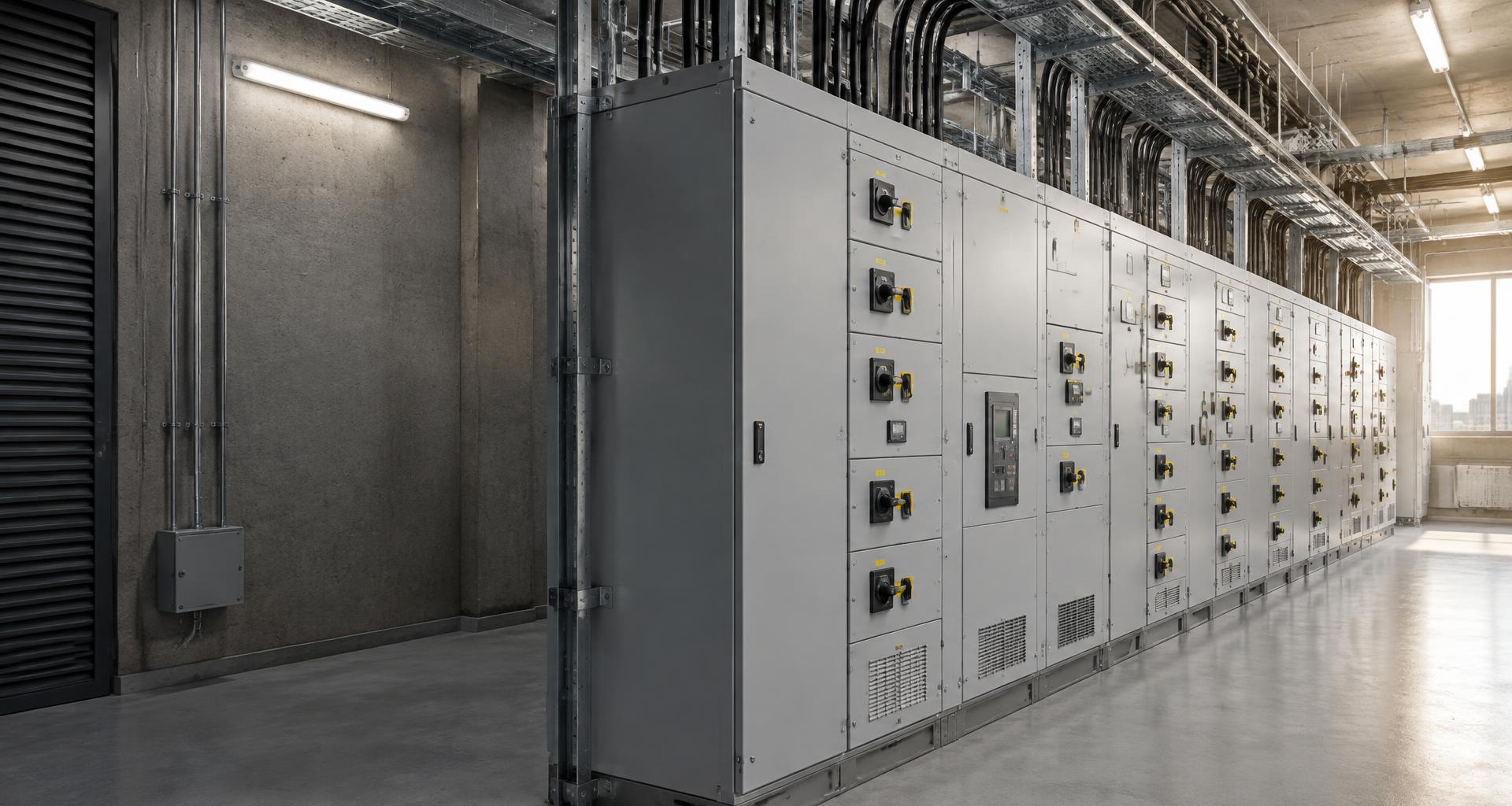
Fix A Short Circuit: scope and responsibilities
This page covers fix a short circuit for business premises in London and the towns around the M25. The enquiry should distinguish new installation work from a defect in an existing system and identify which parts of the building or process are included. Supply drawings, equipment data, previous inspection findings and the intended operating arrangement help define the boundary of the work, the isolation it requires and the records that should follow.
When comparing proposals for fix a short circuit, ask how the contractor will identify existing limitations, coordinate with other trades and document completed work. An equipment connection is not necessarily verification of the wider installation, and an inspection is not a design certificate for alterations. The agreed deliverables should state affected circuits, isolation arrangements, tests and any exclusions so responsibilities remain clear.
Planning fix a short circuit around an occupied building
Commercial premises usually need to keep operating while electrical work is carried out. Identify essential loads, normal operating hours and any landlord or permit requirements early. If work areas need to be separated from staff or customers, agree how that will be done and who will communicate planned interruptions. Generators, UPS systems and automatic restart functions should be identified so that isolation is planned against the complete supply arrangement. Out-of-hours work is subject to confirmation once scope and access have been reviewed.
Fix A Short Circuit: scope and site requirements
Fix A Short Circuit in London concerns the cable route, conductors and terminations. The starting point is the specific requirement at your premises, whether that is a new installation, a change to an existing system or an issue affecting operation. The service name identifies the subject, but equipment details and site conditions determine the work required. A useful proposal explains what is included, what needs further investigation and which interfaces belong to another specialist. That distinction helps avoid an apparently simple task becoming an unplanned interruption to the wider building.
Technical considerations for fix a short circuit
The assessment of the cable route, conductors and terminations should reflect its actual configuration and operating environment. The following considerations help define what needs to be reviewed and which evidence is useful before decisions are made.
Cabling, containment and conductors
Cable work begins with the required load and the actual route through the building. Installation method, grouping, ambient conditions, route length and mechanical exposure all influence selection. Nominal conductor size alone does not establish suitability. Existing cables also need identification and an assessment of their condition before reuse is proposed. In refurbishment projects, concealed sections and undocumented joints can limit what is known until agreed access or testing becomes available.
Compatibility, protection and operating conditions
Containment should support the intended cables and allow suitable segregation, maintenance access and protection at changes of direction or level. Penetrations through the building fabric need attention to the relevant fire-separation arrangements. Terminations, glands and protective conductors are part of the circuit design rather than finishing details. Underground and external routes introduce additional concerns such as moisture, accidental damage and the location of other services. Any new route should be coordinated with the building layout and the work of other trades.
Information that supports a sound decision
Handover information should identify the circuit, route, cable construction and relevant verification results. Updated labels and drawings help future teams avoid incorrect assumptions about concealed supplies. For fault investigation, continuity and insulation information must be interpreted alongside the circuit arrangement and connected equipment. A result from one accessible section should not be treated as proof of the condition of an untested route. Limitations and any need for further access belong in the final scope.
Planning tasks and tracking outstanding defects
Fix A Short Circuit is most useful when it follows the site’s asset history and operating conditions. Identify the equipment included, previous findings, essential supplies and the consequence of an unexpected interruption. The agreed tasks should suit each asset rather than rely on a single checklist for every building. Routine observations, measurements, intrusive inspection and repair are different activities, and their inclusion should be explicit. Manufacturer information and changes in usage can affect the appropriate scope and the need for further assessment.
A maintenance visit should produce an understandable record of completed tasks, defects and access limitations. Items needing corrective work should have a clear next action rather than disappear into an undifferentiated list. If a repair requires a shutdown, replacement parts or another specialist, those dependencies should be identified before dates are agreed. Recurring defects deserve review of the underlying cause. Maintenance can help manage deterioration and risk, but it should not be presented as a guarantee that equipment cannot fail between visits.
Access, isolation and business continuity
Planning fix a short circuit involves the people using the building as well as the equipment itself. Provide the site postcode, building use, normal operating hours and the person who can authorise access. Identify landlord-controlled areas, shared distribution points and any existing permit requirements. If the premises remain occupied, agree how work areas will be separated and how affected users will be informed. Deliveries, parking restrictions and movement of materials can influence the programme, but these arrangements should be confirmed for your actual location rather than assumed from a London address.
Isolation must be assessed against the complete supply arrangement. Generators, uninterruptible power supplies, remote controls and automatic restart functions can introduce sources or commands that are not obvious from a local switch. Essential loads and equipment needing a controlled shutdown should be identified by the site team. A planned interruption should include the method of returning systems to service and the relevant functional checks. Do not assume that an out-of-hours slot or uninterrupted operation is available until the scope, access and operating constraints have been reviewed.
Records, limitations and the next step
For fix a short circuit, a useful handover explains what was done and what the evidence establishes. Circuit identification, component references, drawings and relevant results should be linked to the agreed task. The proposed record depends on the work: installation verification, periodic inspection, diagnostic findings and maintenance observations serve different purposes. Ask which documentation is included before authorising work. Any inaccessible area, incomplete test or dependency on another contractor should remain explicit, so that a completed local task is not mistaken for verification of every system in the building.
To request a booking, include equipment identification, the site location and a concise description of the requirement. Photographs can help where they can be taken without opening equipment or approaching a hazard. Existing schedules, inspection reports and manufacturer data are useful supporting material. The request is a starting point for agreeing scope and availability, not a confirmed appointment or fixed quotation. A clear account of what you need allows the next discussion to focus on practical access, evidence, responsibilities and the proposed outcome.